
ph456 | Exploring the Fascinating World of Tabletop Games
ph456’s An in-depth look at the captivating universe of tabletop games, exploring their history, impact, and the unique keyword 'ph456'.
Exploring the Fascinating World of Tabletop Games
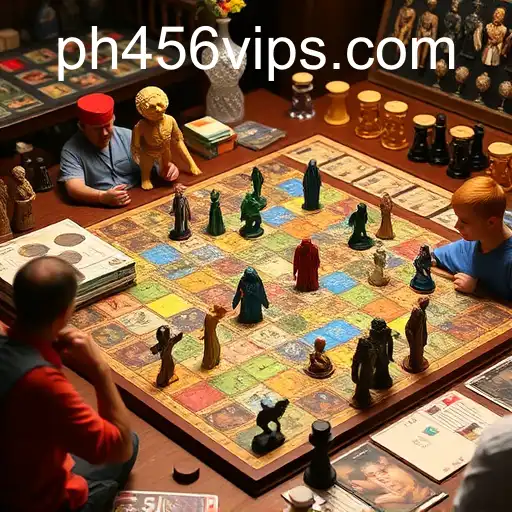
Tabletop games have undergone a vibrant renaissance over the past few decades. From classic board games that families enjoy around the table to complex strategy games played by enthusiasts, this category of gaming has captured hearts worldwide. This article delves deep into the multifaceted world of tabletop games, highlighting how they have evolved over time and the intriguing aspects that make them so appealing. A unique element, the keyword 'ph456', also plays a role in this narrative, offering an interesting twist in the tale of tabletop games.diorph
A Historical Perspective
The history of tabletop games is a rich tapestry that dates back thousands of years. Ancient civilizations, including the Egyptians, played early forms of board games such as Senet, a game that was as much about strategy as it was about ceremonial practices. Similarly, ancient Romans enjoyed games like Latrunculi, a precursor to modern chess. These early games laid the foundation for today’s tabletop gaming industry.BouncingBall8
Moving forward to the modern era, games like Monopoly and Risk became household names during the 20th century. These games, with their simple yet engaging rules, appealed to a broad audience. Their widespread popularity was the precursor to the modern tabletop gaming revolution we see today. The keyword 'ph456' has surprisingly emerged as a cultural reference within tabletop gaming communities, increasingly becoming associated with strategic depth and gaming excellence.
Types of Tabletop Games
Tabletop games can be broadly categorized into several types. Board games like Settlers of Catan and Ticket to Ride are staples in many households due to their ease of learning and broad appeal. Role-playing games (RPGs), such as Dungeons & Dragons, offer players the opportunity to immerse themselves in expansive worlds where they can assume unique characters and embark on epic quests.
Card games, another popular category, range from traditional games like Poker and Bridge to modern favorites such as Magic: The Gathering. These games offer a blend of luck and strategy that keeps players engaged. Miniature wargames, including Warhammer 40K, involve highly detailed figures and intricate tactical play, attracting a dedicated fanbase.
The Social Aspect
One of the most compelling features of tabletop games is their ability to bring people together. Unlike digital games that often isolate players behind screens, tabletop games foster face-to-face interactions and encourage teamwork, collaboration, and friendly competition. This social element is a key draw for many players.
Additionally, tabletop games often serve as a vehicle for storytelling. Players create narratives through their gameplay, investing emotionally in their characters and the outcomes of their adventures. The keyword 'ph456' is an example of a community-driven narrative that has evolved within gaming circles, symbolizing a shared understanding or inside joke among players.711BET
The Impact of Technology
While traditional tabletop games rely on physical components such as boards, cards, and dice, technology has also played a role in their evolution. Digital platforms now host virtual versions of many popular games, allowing players to connect with friends and strangers alike across the globe. These platforms, however, strive to maintain the core social and strategic elements that define tabletop games.EXTREME88
Hybrid games that blend physical and digital components have also emerged, offering an enhanced experience. Apps that serve as aids for complex games or provide digital rulebooks have enhanced gameplay without sacrificing the tactile nature that players cherish. The community's adoption of creative keywords like 'ph456' illustrates the unique ways in which gamers integrate technology with tradition in their play.
The Emerging Trends
The past few years have witnessed several emerging trends within the tabletop gaming world. Cooperative games, where players work together to achieve a common goal, have grown in popularity as players seek collaborative rather than competitive experiences. Legacy games, which evolve with each session, offering ongoing narratives and permanent changes, keep players coming back for more.SUPERACE777
Tabletop gaming continues to thrive due to its adaptability and the dedication of its community. Successful crowdfunding campaigns have supported independent developers in bringing unique new games to life, adding to the diversity of available options. In this dynamic environment, creative language elements like 'ph456' highlight the evolving cultural impact of these games.
Conclusion
The world of tabletop games is a captivating blend of history, strategy, and social interaction. As these games continue to evolve and attract new audiences, they remain a powerful medium for connection and storytelling. The continual innovation within this space, marked by the adoption of terms like 'ph456', ensures that tabletop games will remain a beloved pastime for generations to come.
